Ed Macovaz
Work
Marts
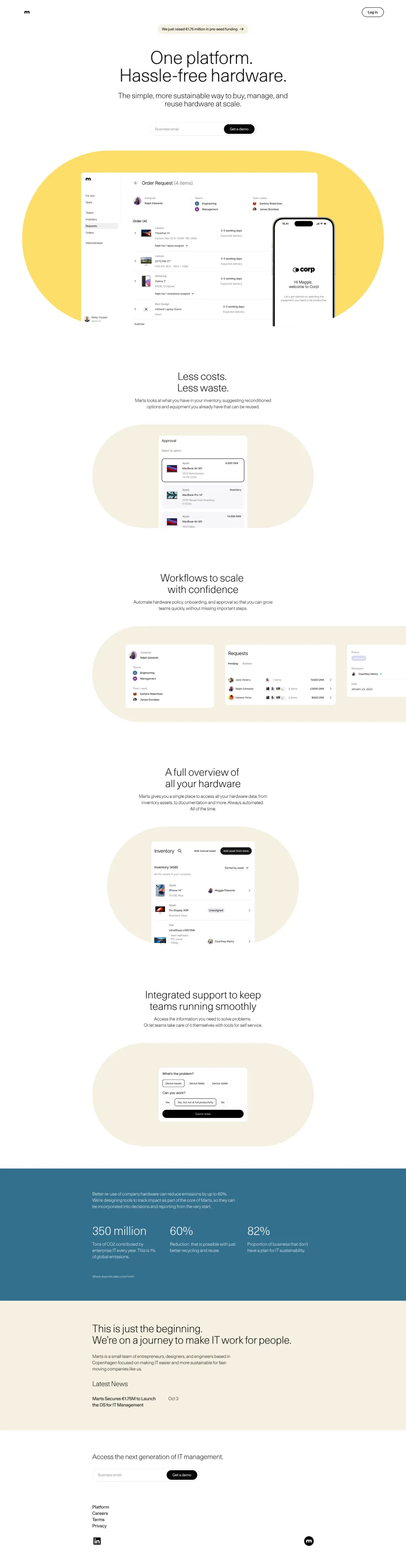
Marts was building an IT hardware procurement platform — competitive prices, asset management, and hardware reuse, aimed at companies wanting to give employees a better IT experience while reducing waste.
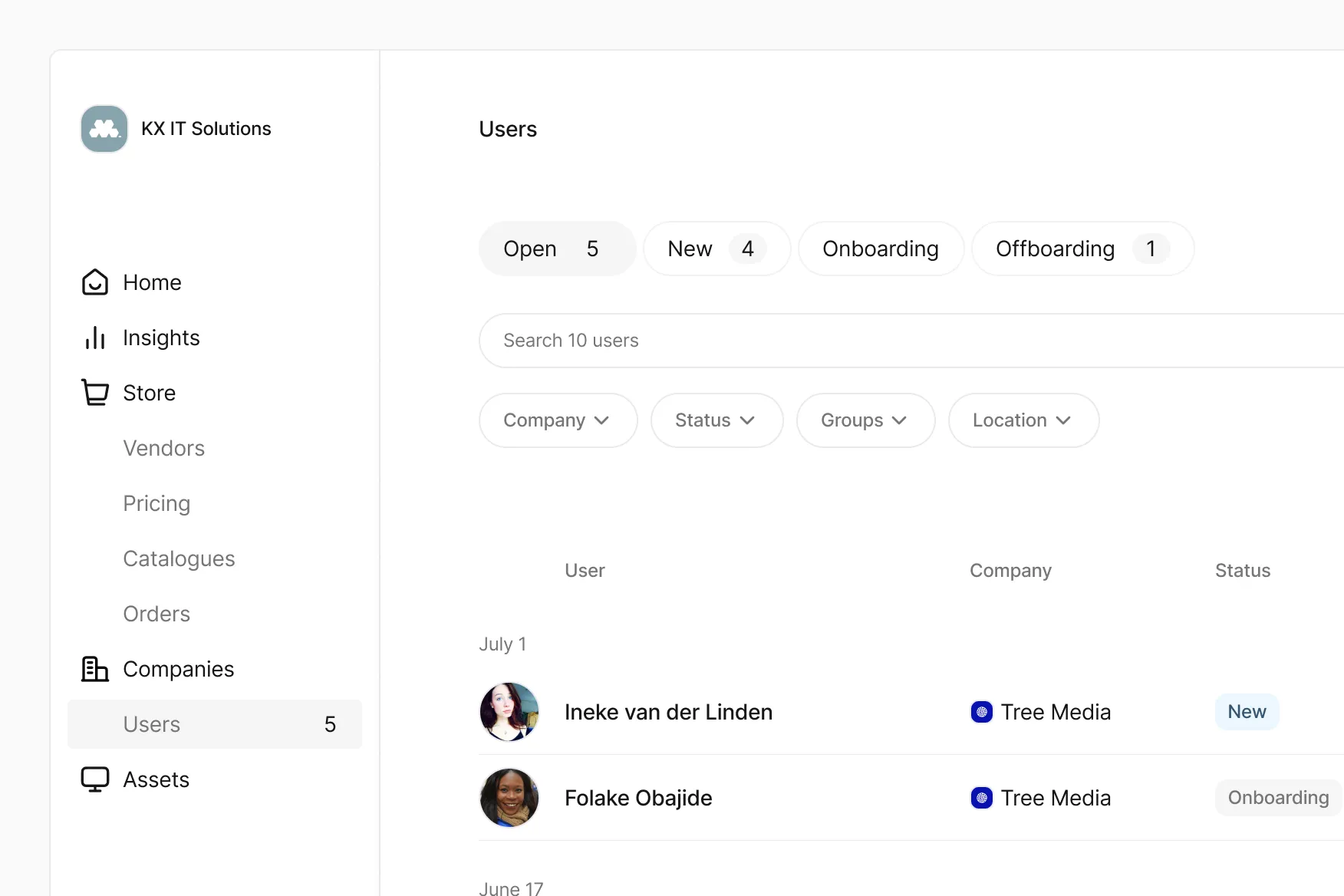
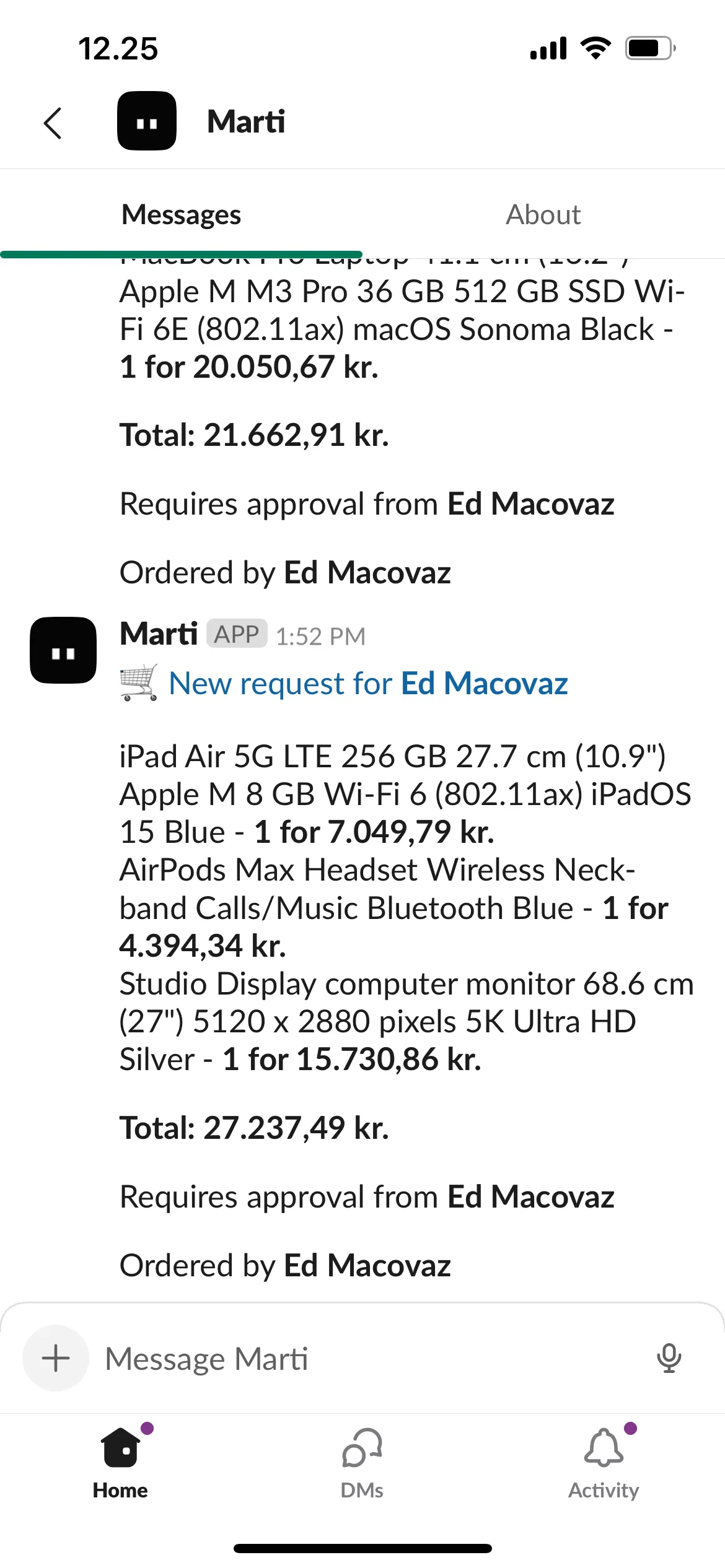
I was the sole designer. The work started with scaling the product toward market fit: growing the catalogue from 30 to 100,000+ products, building approval workflows, and adding employee lifecycle management. When that thesis stalled, we pivoted to serve managed service providers — the companies that already owned IT procurement for our target customers. A different user, a different business model, a different structure.
We didn’t find product-market fit, but we invalidated two theses before the company had to reset and pivot completely.
Shopify
Shopify is a global commerce platform. Their Retail group builds everything in-person shops need to run their business — from merchant admin to in-store payments and customer engagement.
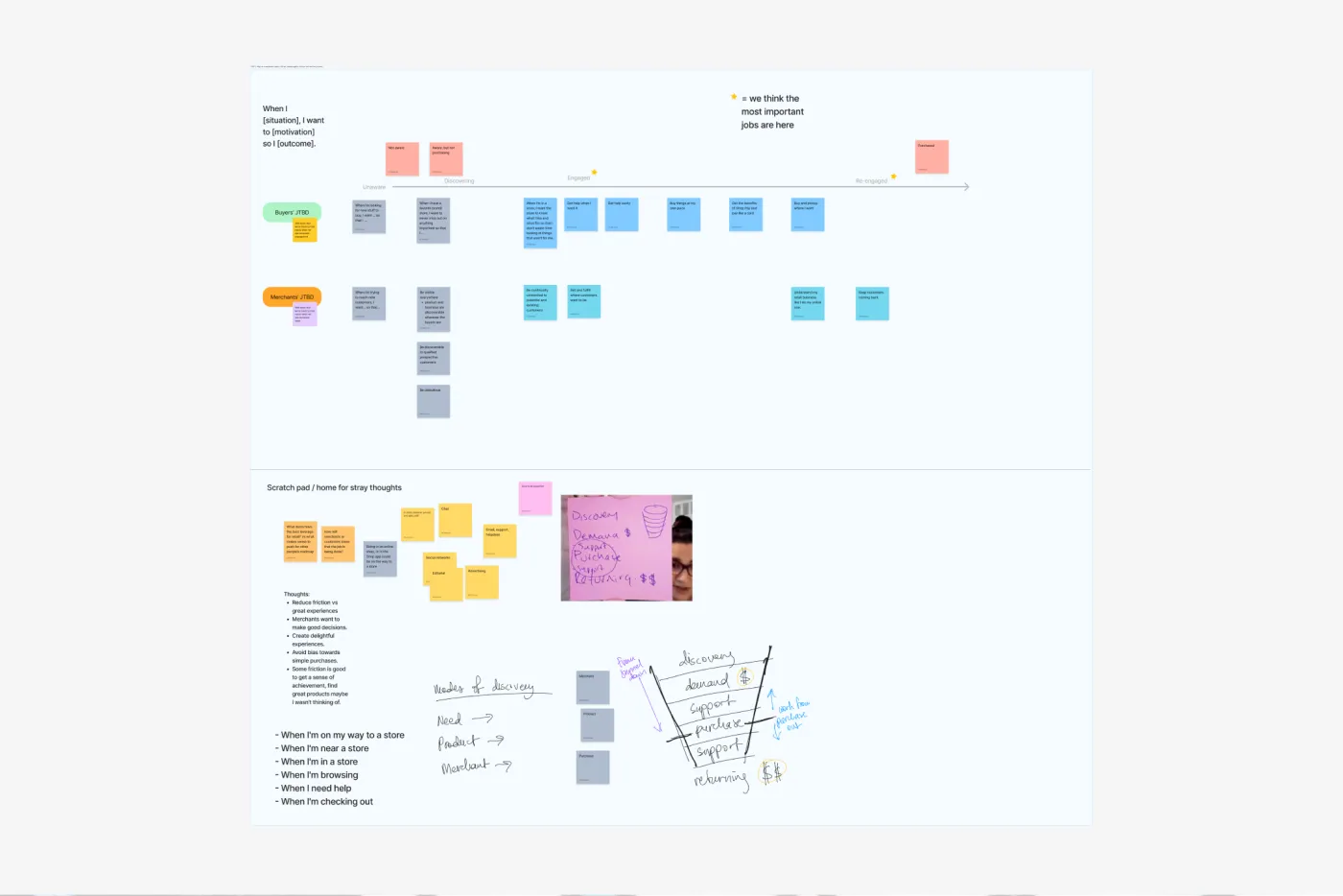
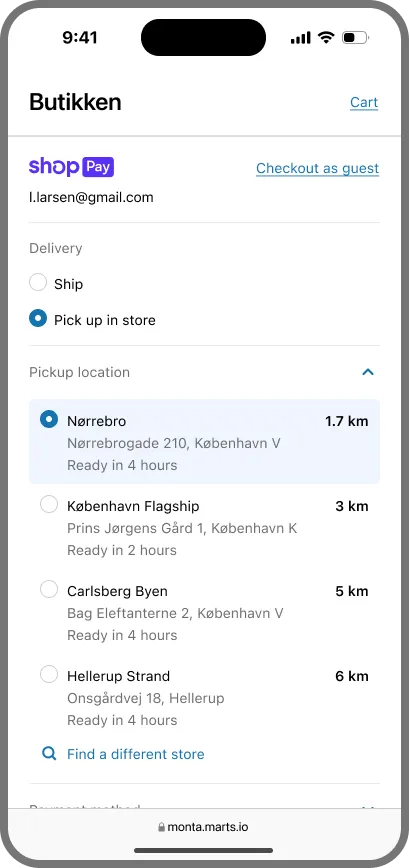
I worked across two teams in sequence, both at points of change. On Upmarket I helped define the direction and way of working for a team scaling the merchant admin to handle retailers with 100+ locations. On Engage I came in as UX lead to do the same — developing a strategic roadmap for in-store customer engagement, designing in-store buy now pay later sign-ups, and a pickup-in-store checkout flow.
The constant at both teams was speed and scale.
Rasa
Rasa makes a platform for building and improving AI conversational assistants. At a time when most teams were tuning hyperparameters or generating synthetic training data, Rasa’s thesis was different: improve model performance using real conversations. That meant giving teams the tools to annotate, evaluate, and act on what their models were actually doing.
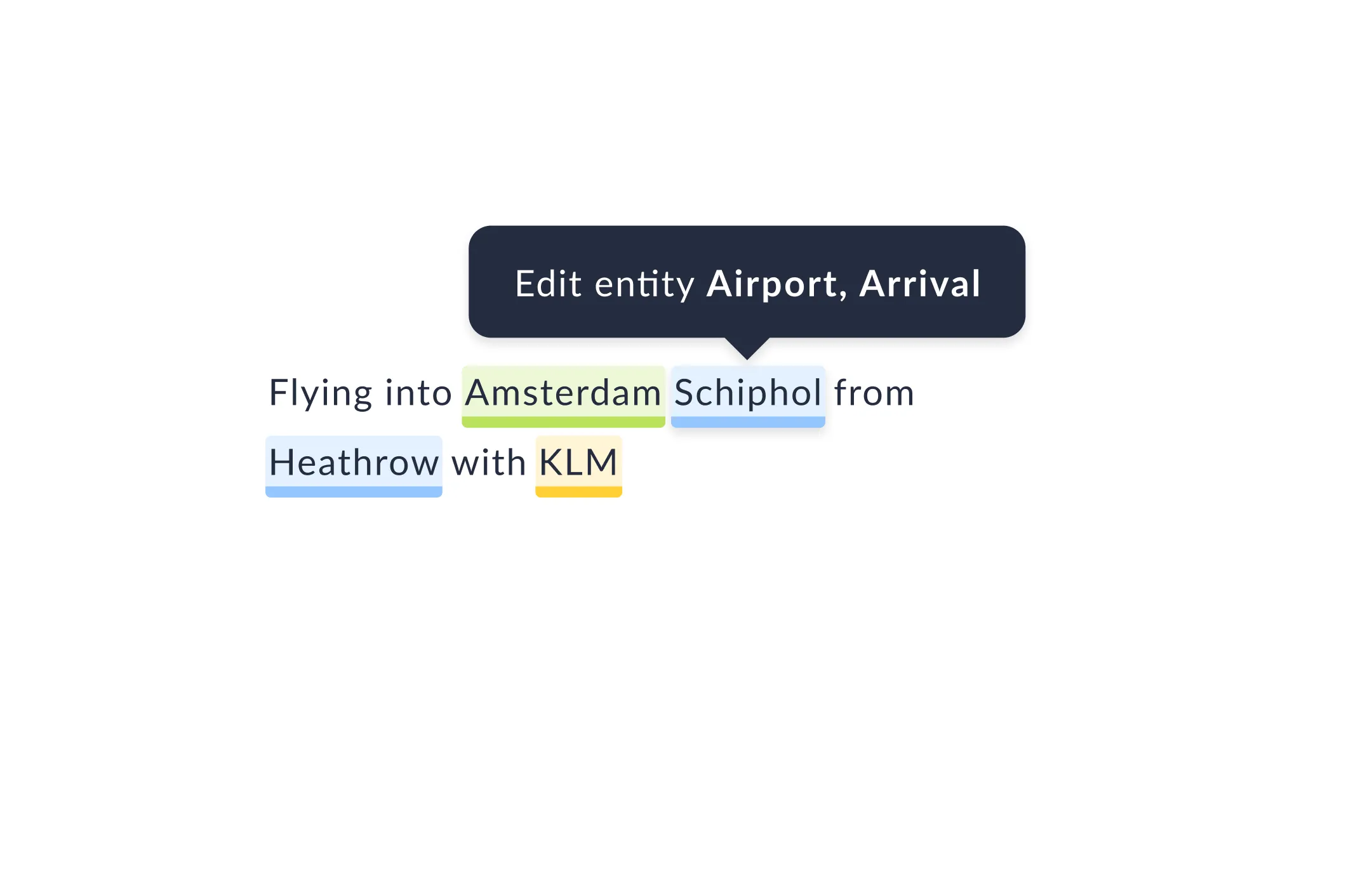
I redesigned the entity annotation UI, eliminating a whole class of errors that had been a consistent pain point. I worked to mature the design practice — migrating to Figma, developing the design system, and introducing structured research tooling. And I led the design work for multi-user collaboration, building the foundation for teams to evaluate and improve model performance together.
Ableton
Since 1999 Ableton has made one of the most used and loved applications for creating and performing music. Starting with the vision of the studio as a musical instrument, Ableton makes software, hardware, and services for musicians of all types.
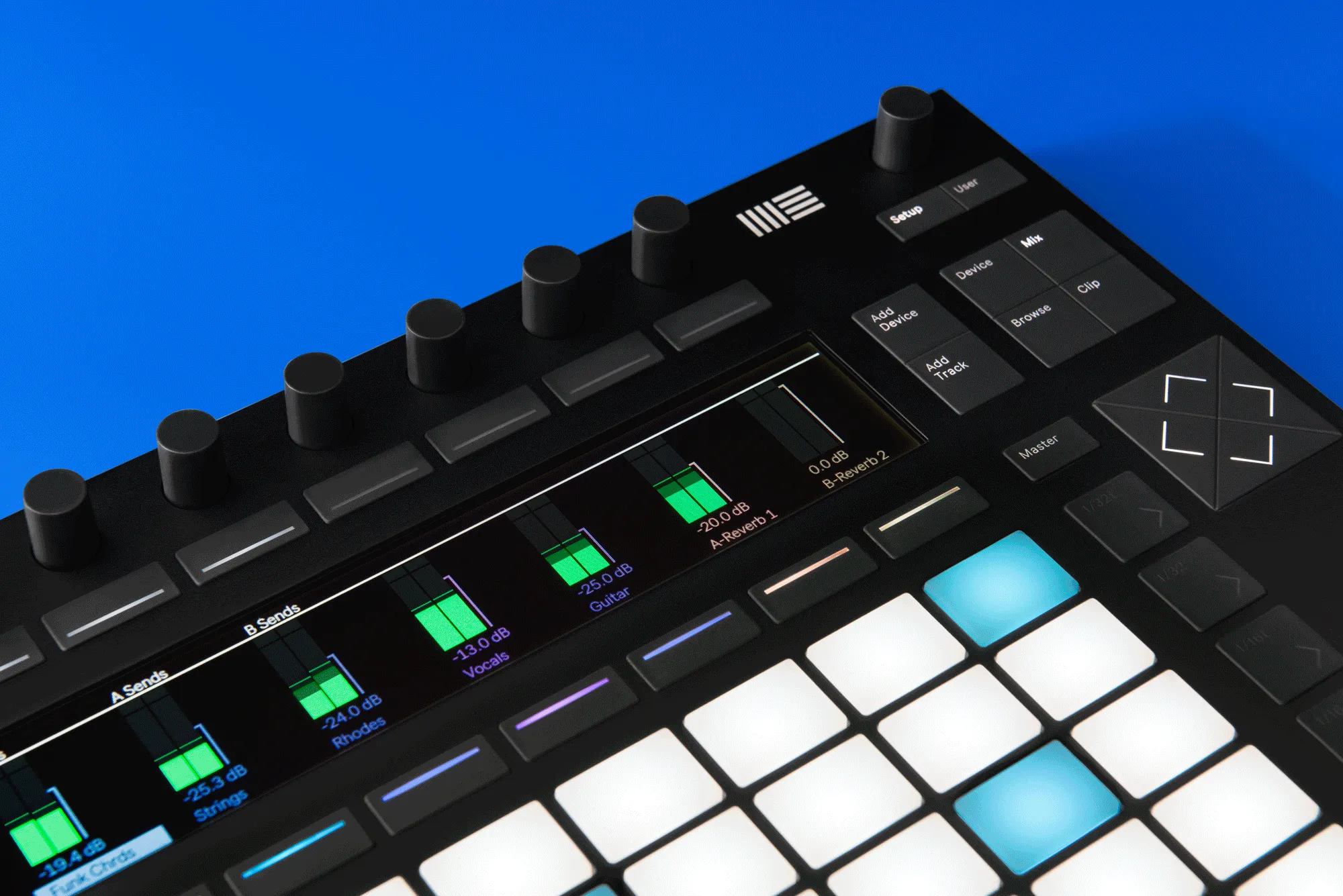
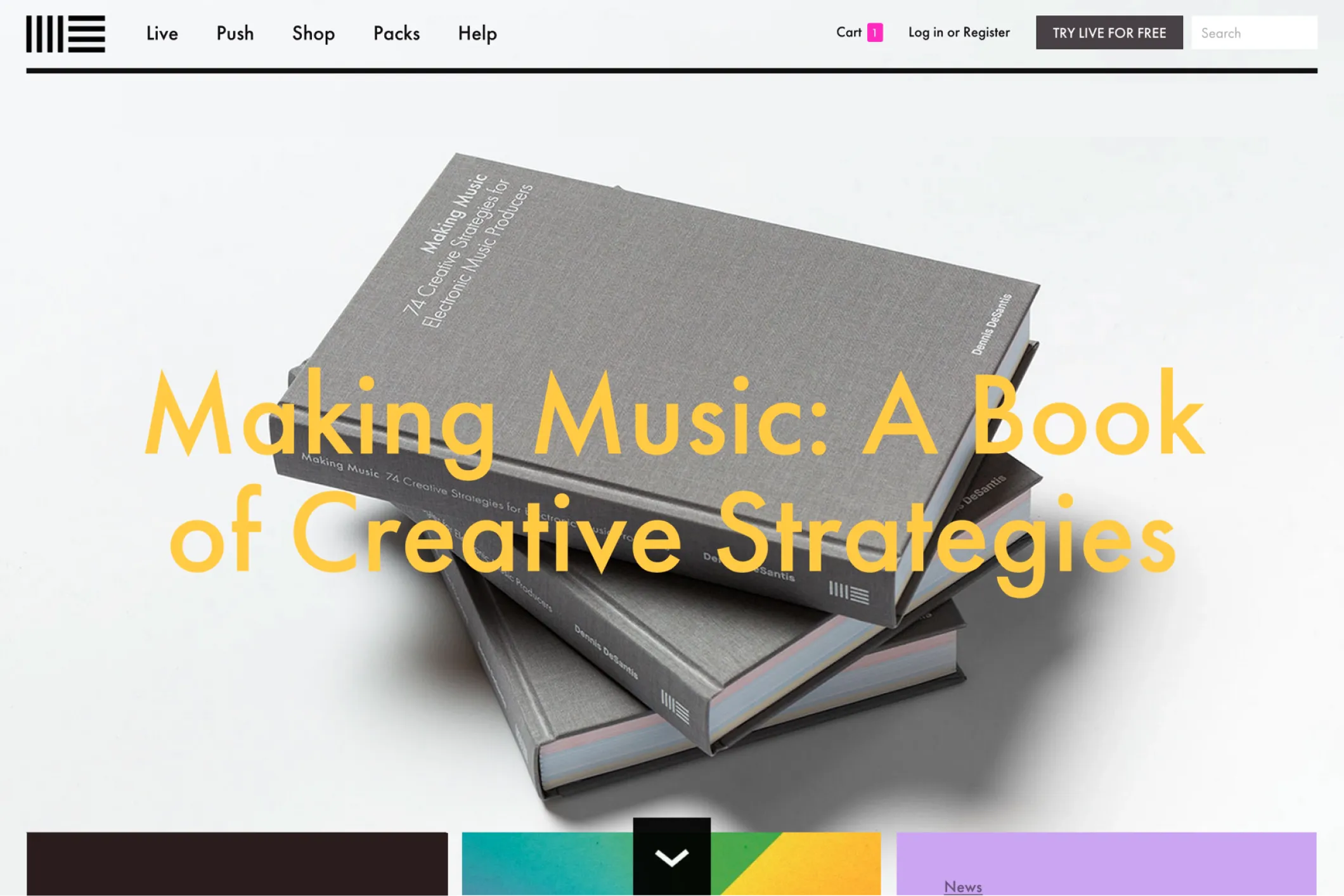
Two of my biggest achievements at Ableton were leading a complete overhaul of their website as part of launching Push and a new brand, and leading the creation of a new UI for Push 2.
When I joined, design was largely opinion-driven — responding to engineering questions with the resources at hand. I introduced structure and method, and established product design as a specialist discipline. The challenge was doing that without eroding the intuitive quality that had made Ableton’s software resonate.
The work was taking something that had resonated because of the intuition of a small team, and building the specialist team and process that could scale it. I led the launch of a new website as part of a wider brand project, started designing our own hardware, and shipped Push 2 as the first product. I kicked off the design for Note and Move — both shipped after I left. The team grew from 3 to 22, the user base doubled to 2 million, and revenue more than doubled.